Stioslealorla
Information for engine bay care
18 minutes. That is roughly how long most people spend looking under their hood in a year. This page exists to make those minutes calmer. You see how Stioslealorla handles engine bay detailing for regular drivers in Canada, what tools and products are used, where the limits sit, and how to ask focused questions about your own vehicle. Results may vary.
These points provide a general frame for what to expect before and after engine bay detailing. They do not replace inspection or advice from qualified mechanics.
Common questions and short answers
4 quick answers address the most common engine bay detailing questions.
Frequency. For many daily driven vehicles in Canadian conditions, engine bay detailing is not required at every visit. An interval of occasional cleaning, supported by simple owner checks for leaves and spills, is often sufficient. The exact timing depends on mileage, storage, and local weather exposure.
Aftercare. After an engine bay has been detailed, it is normal to see some light moisture or scent from cleaners for a short period. Allow the area to dry fully with the hood closed. If you plan to perform your own checks, wait until all components are cool and follow product safety instructions.
Limits. Some staining, corrosion, or aged residue will not be removed without risking damage to nearby parts. In those cases, the focus stays on reducing loose grime and improving visibility, not chasing every mark. Results may vary.
Safety basics
5 minutes of inspection can prevent many problems. Before any engine bay detailing, Stioslealorla checks for loose caps, cracked plastics, exposed wiring, and signs of leaks. Engines are left to cool fully. This short pause shapes the entire session. It defines where cleaners can be used, where only towels should go, and where the work will simply avoid touching at all.
You see this caution again during rinsing and drying. No high pressure is aimed into the bay. Cleaners are kept mild and contact times short. Towels and air remove water from around coils, plugs, and seams. The goal is a car that behaves normally after the visit, with a tidier, easier to inspect engine bay, not a risky experiment under the hood. Results may vary.
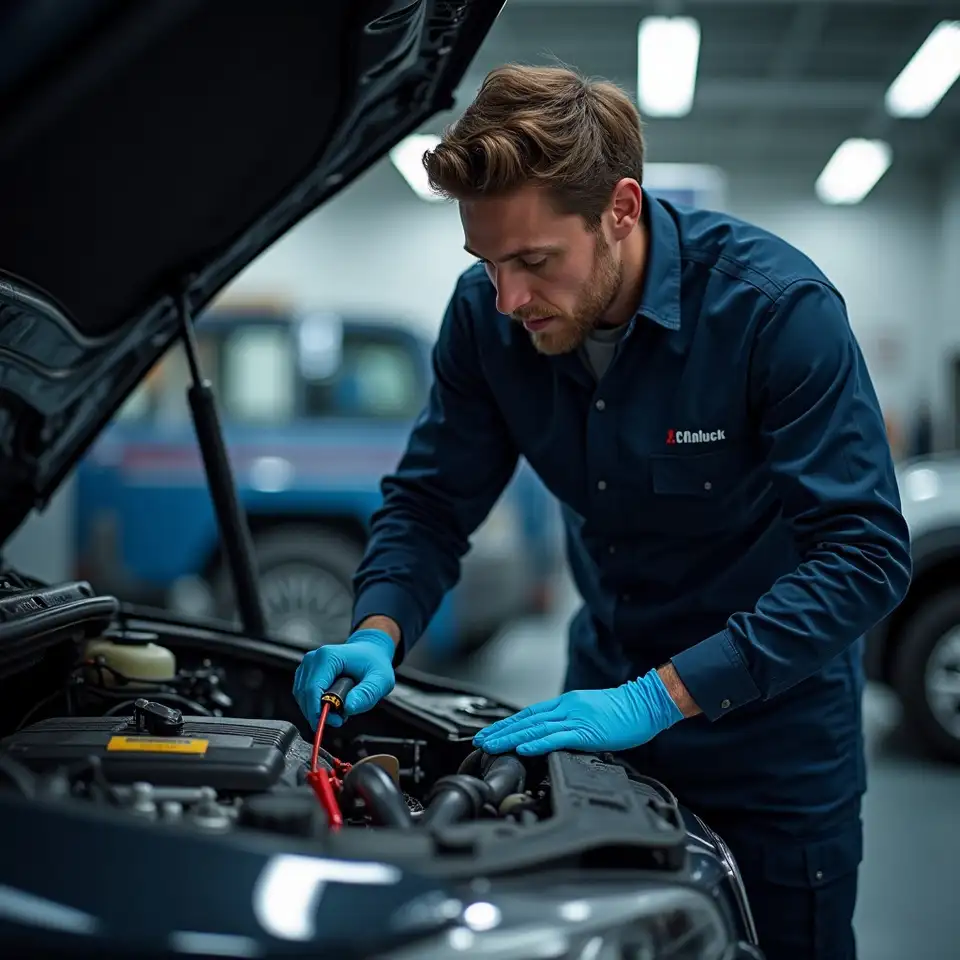
The information on this page describes the general approach used by Stioslealorla. It is not mechanical advice and does not replace guidance from qualified professionals. Results may vary.
Key facts about scope, products, and water use
6 topics cover most questions from drivers who are new to engine bay detailing.
Scope. Engine bay detailing at Stioslealorla focuses on cleaning accessible surfaces under the hood. It does not include mechanical repairs, diagnostics, or modification of components. When leaks, cracks, or unusual wear are found, they are pointed out for a qualified mechanic rather than handled on the spot.
Products. Cleaners and dressings are chosen for use on plastics, rubber, painted metal, and similar materials. Strong solvents and harsh degreasers are avoided on sensitive components. Where heavier buildup exists, extra passes and dwell time are used instead of simply increasing chemical strength.
Water. High pressure is not used in the engine bay. Water is applied in controlled amounts, usually from a low pressure sprayer or damp towels. Sensitive electronics, open intakes, and exposed connectors are avoided or shielded where practical. The intention is to move loosened grime away, not to flood the area.
Core principles behind the method
You move from guessing what “engine bay detailing” means to seeing the specific checks and limits that guide each visit.
3 ideas sit behind every engine bay detail at Stioslealorla. Cool first, check carefully, and dry thoroughly.
Cooling first means the engine and nearby components are given time to reach a safe temperature before any work begins. Hot metal and sudden water can create issues that simple cleaning should avoid. A cool engine also makes it easier to spot leaks, residue, and brittle plastics without heat haze or steam getting in the way.
Checking carefully means treating every engine bay as unique. Some vehicles have tightly packed electronics. Others have exposed belts or older hoses. During the inspection, the technician notes sensitive areas, aftermarket parts, and any visible damage. This shapes where cleaners are applied, where only light wiping is allowed, and where no contact is made at all.
Drying thoroughly means not rushing the final stage. Towels remove visible water, then air helps push moisture out of crevices. Plastics and rubber parts may receive a light dressing chosen for a non greasy finish. Only after these steps are complete does the technician close the hood and review findings with you. Results may vary.
Engine bay detailing in practice
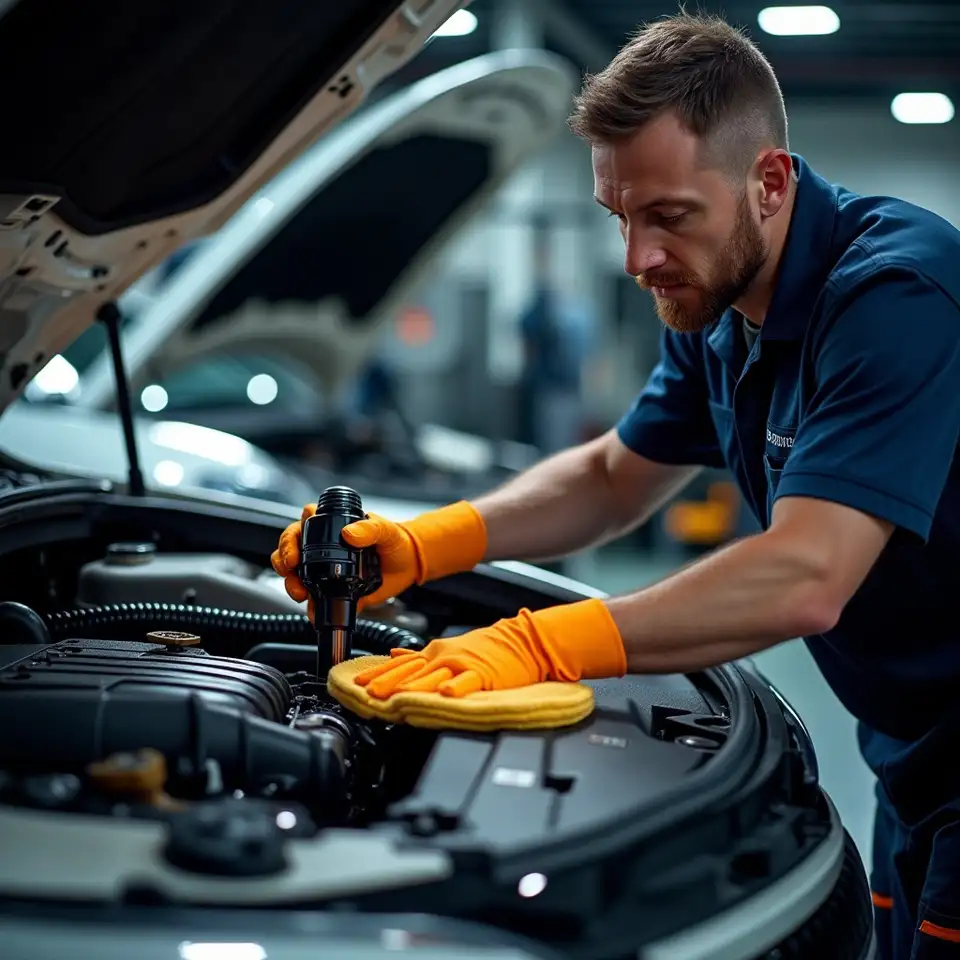
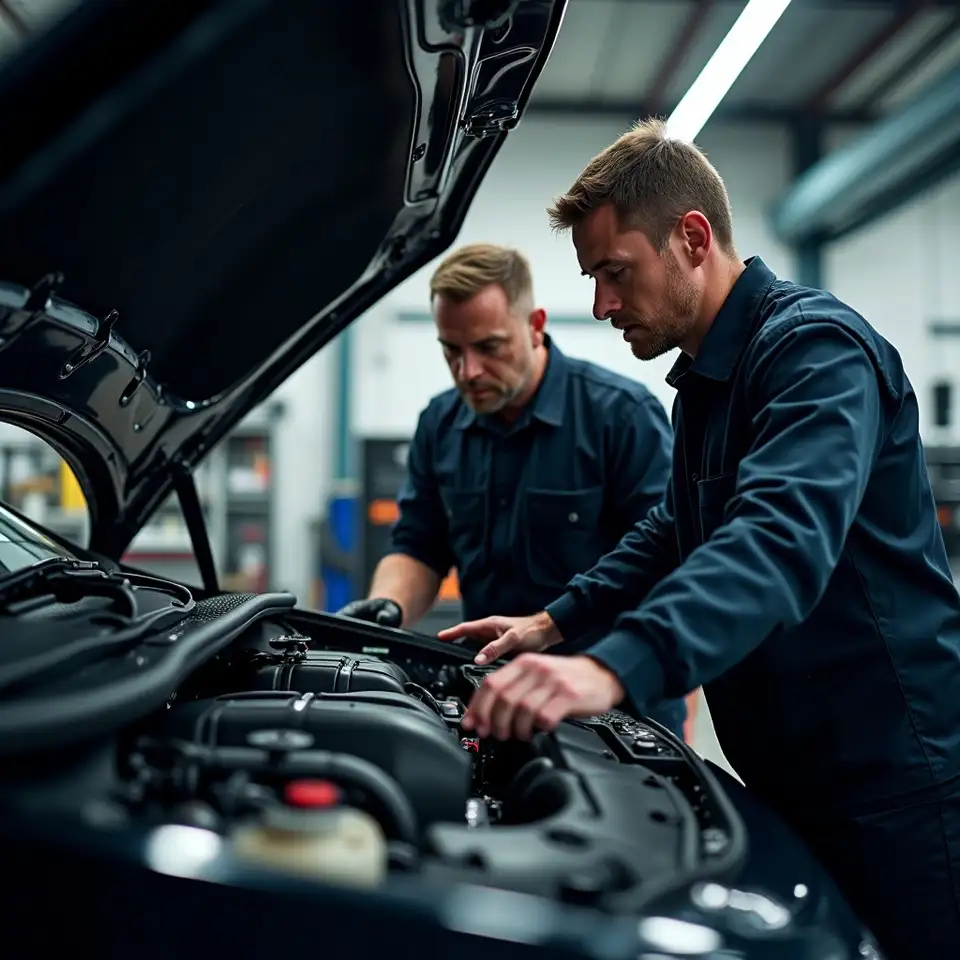
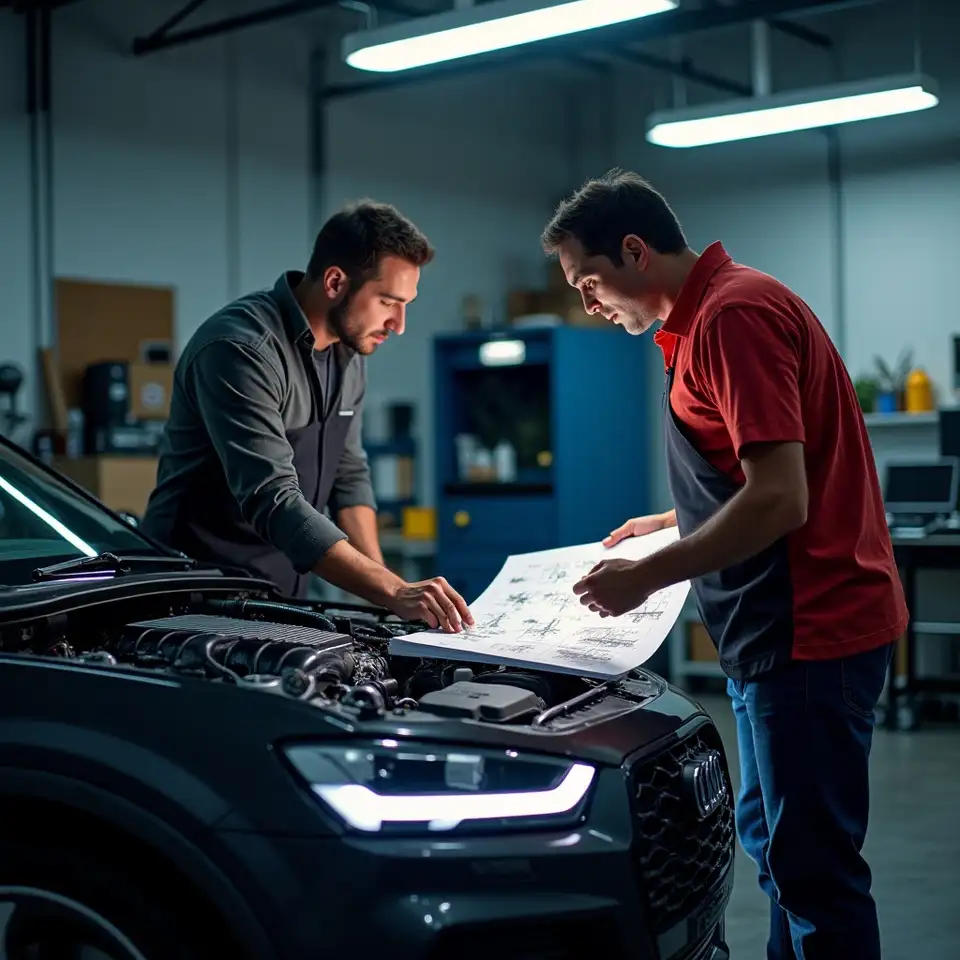
These images illustrate typical steps in the engine bay detailing process, from inspection to drying and review.
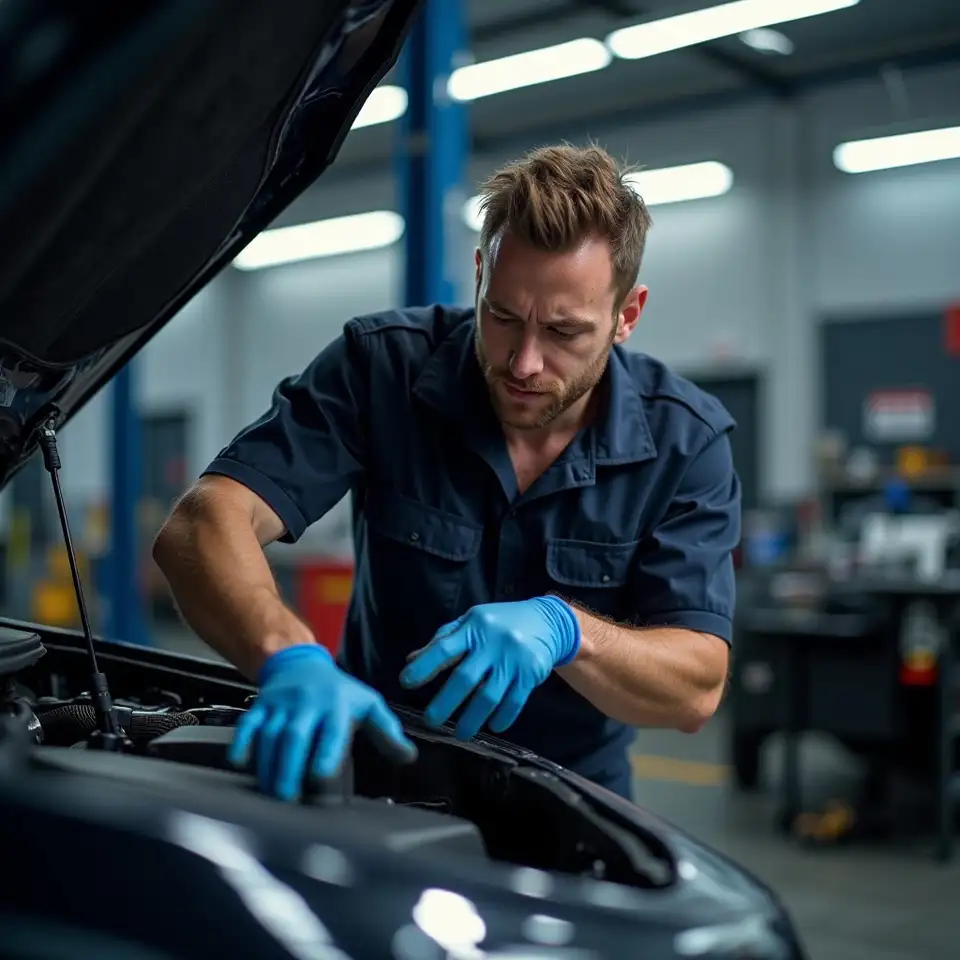
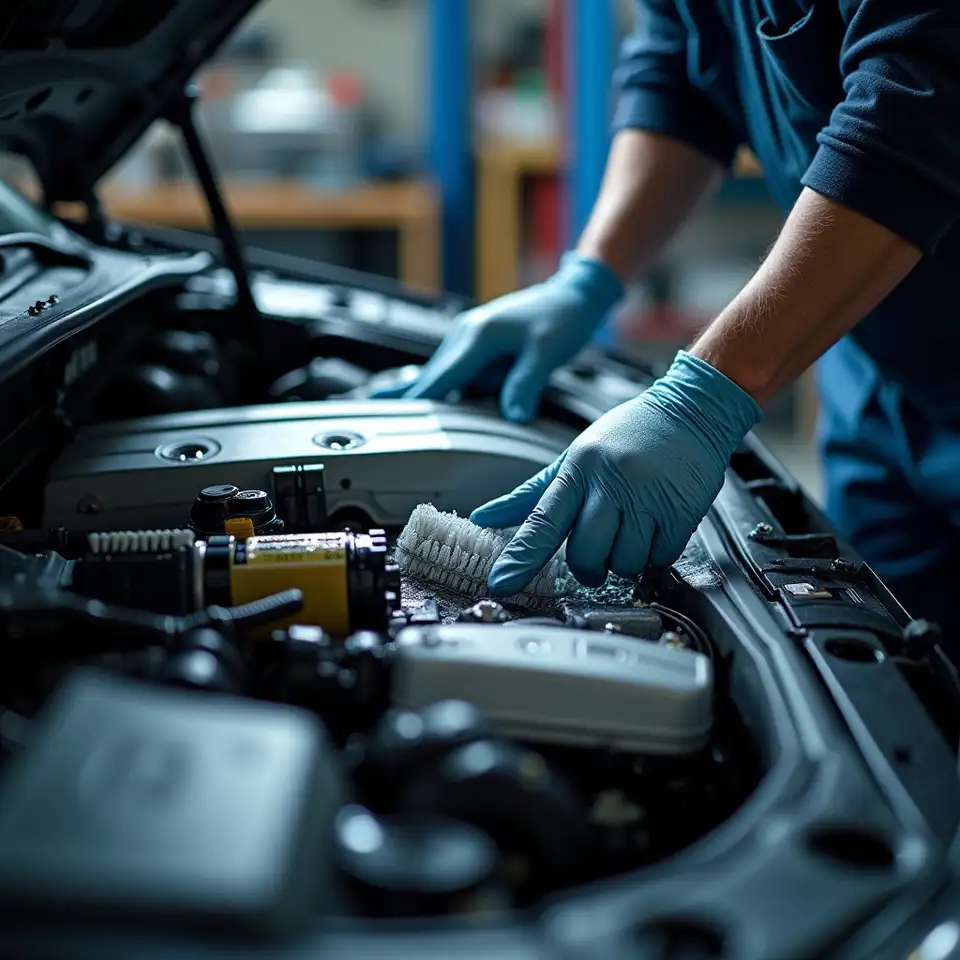
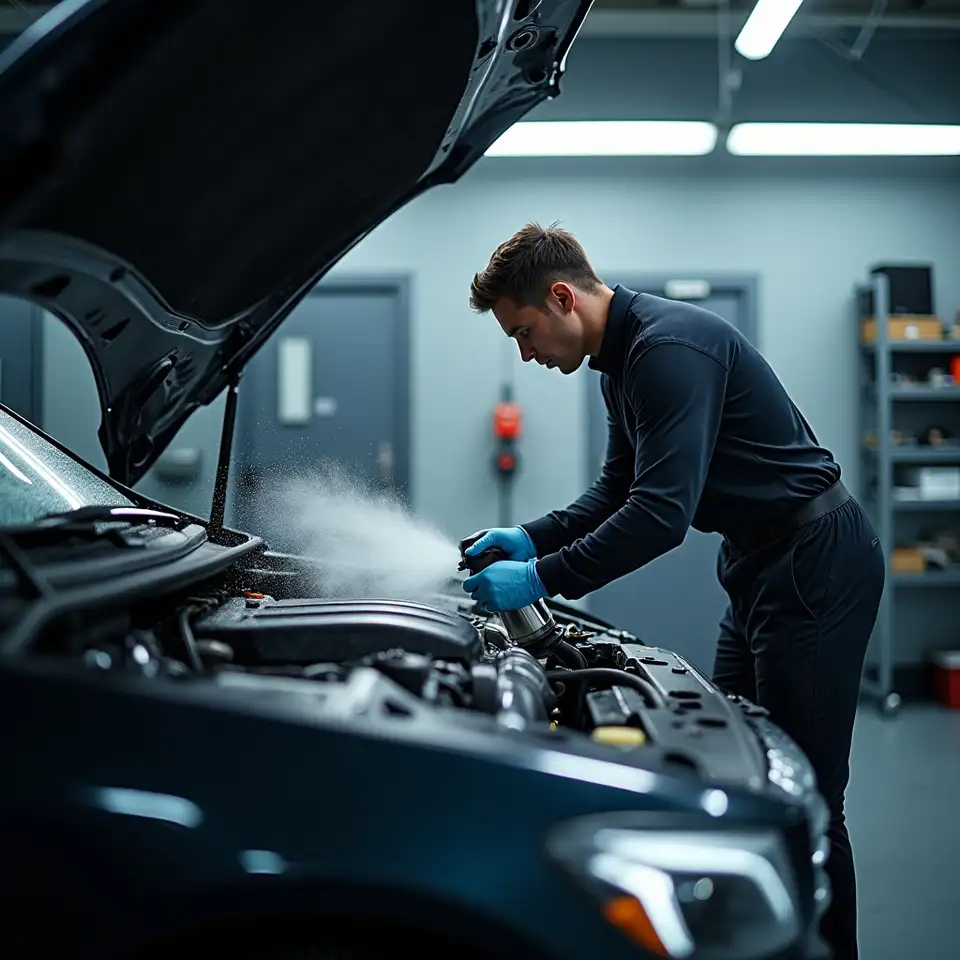
Engine bay
Engine bay detailing information hub
7 common questions usually appear before anyone books engine bay detailing. Is it safe, what gets wet, which products are used, and how long it all takes. This page collects plain answers in one place so you can see how Stioslealorla treats the space under the hood before you decide what to do with your own car.
You move from vague concern about water and electronics to a clear outline of checks, tools, and limits. The focus stays on routine care for daily drivers in Canadian weather, not show car displays. You see where cleaners are used, where they are not, and how drying and inspection fit into the overall method. Results may vary.
How engine bay detailing works in practice
14 parts share space under your hood. Plastics, rubber, painted metal, wiring, sensors, and fluid lines. Engine bay detailing works only when each type gets the right mix of cleaner, water, and drying. This page explains how Stioslealorla approaches that mix so you know what happens before, during, and after a typical session.