How engine bay detailing decisions are made
16 bolts hold most engine covers in place. Under them, dust and residue collect slowly. On this page, you see how Stioslealorla’s team, tools, and routines handle that mess without turning a cleaning job into a repair visit.
Safety before shine
You care about the engine starting after the wash more than about shiny plastic. So the team treats every engine bay as sensitive by default. No assumptions. Protective covers over key electronics where practical. Short contact time for cleaners. Air, towels, and gentle brushes doing most of the work. This bias toward safety shapes every step of the engine bay detailing process.
Adapted to your car
You bring different vehicles. Compact commuters, older sedans, newer crossovers. Each engine bay needs a slightly different approach. Stioslealorla adjusts dilution, tools, and time based on age, condition, and visible modifications. The core sequence stays the same, but the intensity changes. You never see a one setting fits all routine forced onto your car.
Documented, repeatable steps
You probably do not track which products touch your engine bay. Stioslealorla does. Cleaners, dressings, and brushes are chosen with plastics, rubbers, and painted metal in mind. Notes on sensitive areas, existing corrosion, and previous work help shape future visits. Over time this record makes each engine bay detailing session calmer and more predictable for both sides.
You move from guessing what happens under the hood during cleaning to seeing a plain, tool by tool explanation.
Tools and sequence behind the engine bay service
5 tools usually sit on the cart. Brushes, towels, low pressure sprayer, light, and blower.
The same structure applies whether the engine bay has been cleaned often or almost never. Heavier buildup may need more dwell time and extra passes, but the tools and logic stay similar. You see the difference mostly in the time spent, not in sudden aggressive chemicals or pressure. The result is a repeatable approach that can adapt to many vehicles while keeping the core routine familiar.
- 01
- 02
- 03
What engine bay detailing means at Stioslealorla
You arrive with a used engine bay and a few doubts. You leave with cleaner components, clearer labels, and a straightforward idea of what was done and what still needs a mechanic.
4 questions usually start the conversation. Is it safe, how long, what is included, and what is not.
You see a clear line between cosmetic care and mechanical work. The team will not adjust belts, open sealed components, or chase warning lights. If they notice leaks, cracks, or damaged insulation, they point them out for a qualified mechanic to assess. This separation keeps the detailing focused and avoids mixing appearance work with repair decisions.
How Stioslealorla works under the hood
12 parts sit under your hood that dislike careless cleaning. You want the engine bay tidy, but you also want every sensor, belt, and connector still working. This is where a structured engine bay detailing process matters. On this page you see how Stioslealorla treats each step. No drama. Just clear actions from inspection to final wipe down.
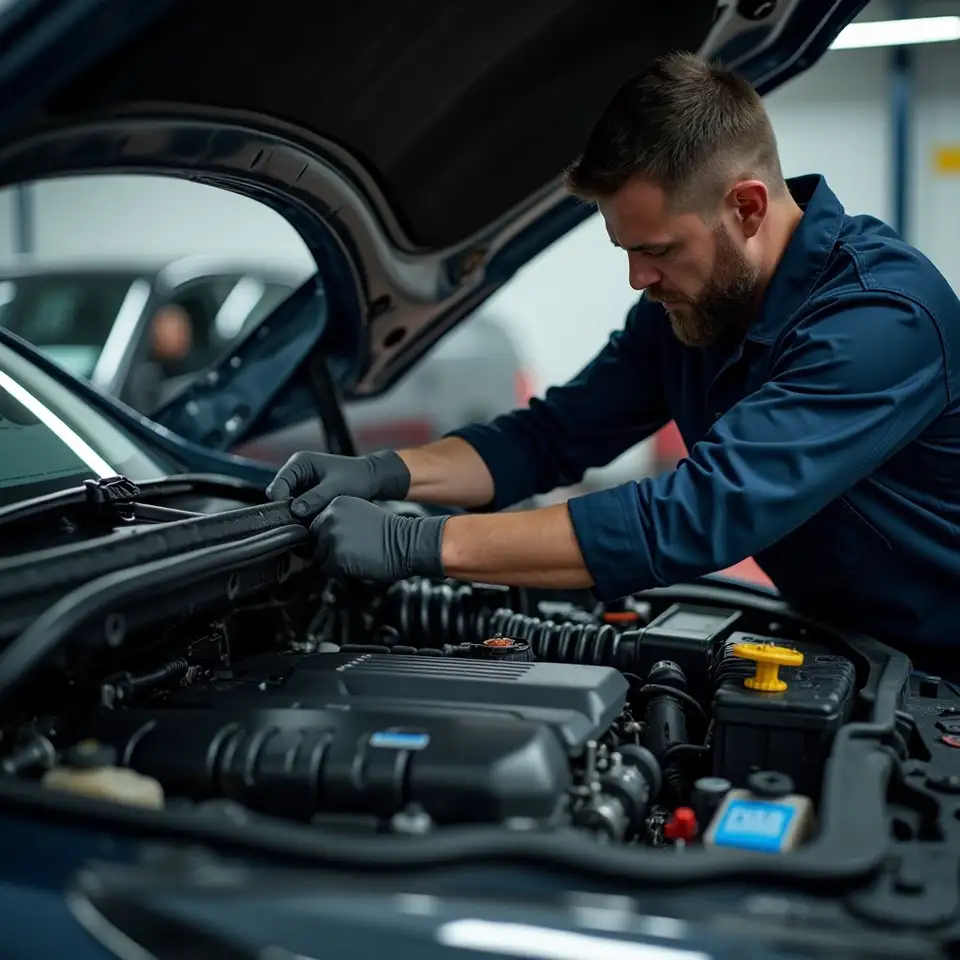
Function over photos
Engine bay detailing at Stioslealorla starts with respect for the machine, not the photo. That means the first priority is that the car behaves normally after the work. The team accepts that some areas are better left lightly wiped than deeply soaked. Safety margins stay wide. The method is designed to be repeatable across many vehicles, instead of chasing extreme before and after pictures.
Cleaning, not fixing
The second principle is clear boundaries. Stioslealorla handles cleaning, not repairs. When a hose looks tired, a gasket seeps, or corrosion appears, the technician points it out without touching it further. The philosophy is that a tidy engine bay should help real maintenance, not replace it. This avoids confusion about what engine bay detailing can and cannot solve for the owner.
Plain, honest process
The third idea is quiet transparency. No dramatic claims about transformation. Just a simple outline of products, steps, and limits, updated as engines evolve and plastics change. You know where water went, which areas were protected, and what might need attention later. Over time this approach builds familiarity, so each visit feels like another careful pass, not an experiment.
The before state is a cluttered, dusty engine bay that feels ignored. The after state is cleaner, easier to inspect, and still behaves like your regular car.
How outcomes are defined for your engine bay
3 outcomes define a good session. A car that starts normally, a cleaner engine bay, and no surprises.
Stioslealorla builds its engine bay detailing routine around those outcomes. The process does not chase showroom finishes in hidden corners. Instead, it targets practical cleanliness. Dust and loose debris removed. Accessible surfaces wiped. Obvious residue reduced. Labels, caps, and fluid markings easier to read. The car should look looked after when the hood opens, without chasing perfection.
You also see attention to local Canadian conditions. Winter roads bring salt and slush into the engine area. Warmer months bring pollen and light dust. The products and timing adjust accordingly, with extra care around areas where corrosion is more likely. This context keeps the work realistic for daily drivers, not just vehicles that see mild weather and smooth roads.
Communication stays direct. Before work, limits and focus areas are explained. During work, any unexpected findings are raised. After work, you get a short overview of what changed and what to monitor. There are no promises about performance or lifespan, only a consistent routine that aims to make visual checks and later maintenance a little simpler. Results may vary.
What sits behind our engine bay process
18 minutes. That is about how long you usually think about the visible parts of your car. The engine bay gets less attention, until a leak, smell, or warning light appears. The about page shows how Stioslealorla treats that hidden area as routine, not mystery. You see the method, the people, and the boundaries of what is and is not included in engine bay detailing.
Initial inspection briefing
You arrive with questions about water, electronics, and safety. The starting point is a dry inspection under the hood. Loose caps. Exposed wiring. Old tape. After that, the team explains what can be cleaned, what should only be wiped, and what will be left alone. You hear the plan before a single brush touches the engine bay.
Values behind our engine bay detailing
You see the before state, the after state, and the principles that shape the path between them.
Safety first
You want the car to start and drive normally after any engine bay detail. Stioslealorla treats that outcome as the baseline. That is why engines are cooled before work, sensitive areas are avoided or shielded where practical, and products are chosen for controlled use. The team accepts that this caution sometimes means less dramatic visual change, in exchange for a calmer, safer process.
Clarity
Dust hides leaks. Grime hides labels. A clean engine bay makes small problems easier to spot. Stioslealorla values this practical clarity more than shine. The work aims to reveal information, not cover it with heavy dressing. When something concerning is found, it is noted and left for a qualified mechanic to assess, keeping roles and responsibilities clear.
Method
Engine bay detailing is done using a consistent internal checklist called the Cool, Check, Clean, Dry path. It guides technicians from temperature checks through inspection, cleaning, and final review. This structure reduces missed steps and makes each visit more predictable. You benefit from a routine that is the same in intent every time, even as small details adapt to your vehicle.
Straight talk
Questions about water, chemicals, and electronics are normal. Stioslealorla treats those questions as part of the service, not an interruption. Technicians explain what will be done, what will be avoided, and what might look different afterward. This direct communication helps align expectations and reduces surprises when you open the hood at home.
Adaptability
Not every engine bay needs the same intensity. Older seals, aftermarket wiring, and heavily used vehicles may call for a gentler touch. Newer cars with more covers and plastics may allow slightly more thorough work. Stioslealorla values this adjustment. The method flexes without abandoning its basic steps, so your car gets attention that matches its current state.
Realistic pacing
Engine bay detailing does not need to happen often for most daily drivers. Stioslealorla is clear about that. The team suggests realistic intervals and simple ways to keep things tidy between visits, such as removing leaves and checking for obvious spills. This respect for your time and budget reflects a value for long term, steady care rather than constant repeat sessions.